Mindful Eating, Mindful Living: Wellness Practices to Empower Every Woman
The Power of Intentional Choices

Health and healing begin with the choices we make every day. For women, particularly those navigating addiction recovery or seeking mental health support, mindful living creates a path to balance and resilience. At Women’s Health Solutions, we believe that recovery is more than overcoming struggles. It is about building habits that nurture the body, calm the mind, and restore the spirit. Mindful eating and intentional wellness practices empower women to reclaim their health with confidence and compassion.


What Is Mindful Eating?

More Than Just Food on the Plate

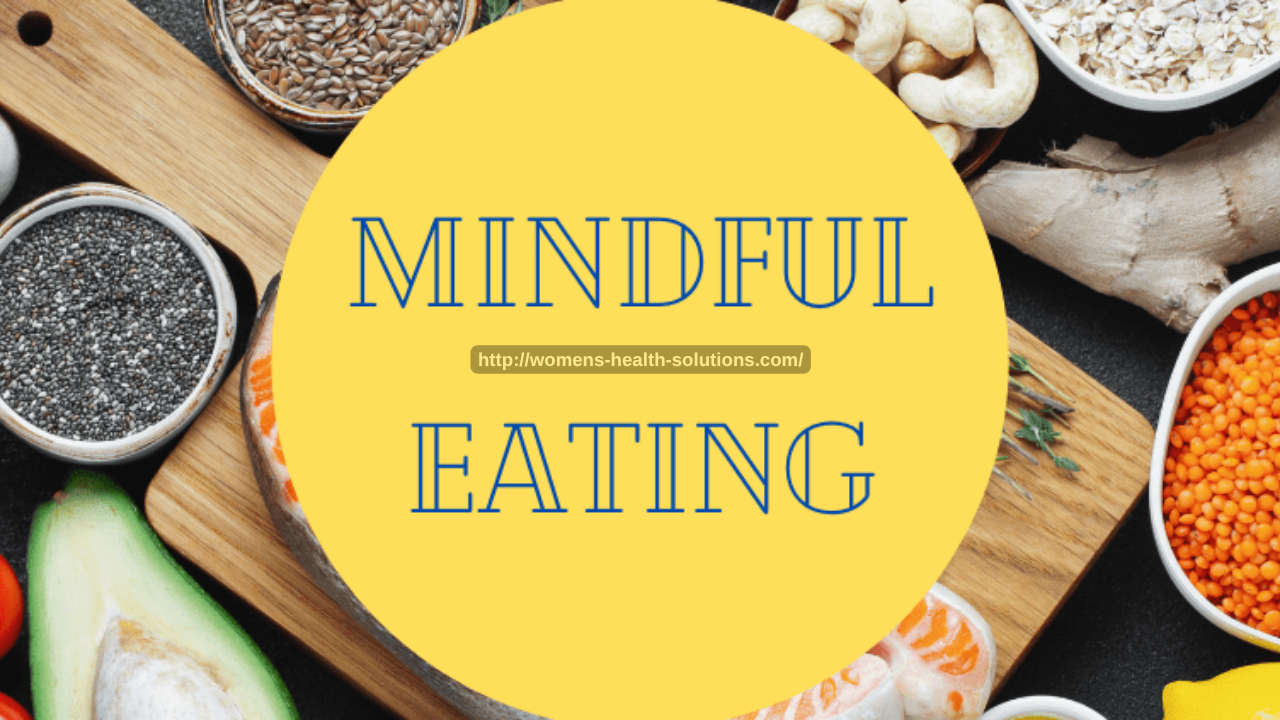
Mindful eating means being fully present during meals, noticing the flavors, textures, and feelings that come with each bite. It is not about dieting or restriction but about forming a healthier relationship with food. For women in recovery, mindful eating supports healing by helping them reconnect with their bodies in a positive, nonjudgmental way.

Benefits for Recovery and Mental Health

Practicing mindful eating can stabilize energy, improve digestion, and reduce stress. It also supports emotional balance by shifting focus from guilt or cravings to nourishment and self-care. This approach encourages women to break free from cycles of unhealthy eating patterns that often accompany addiction or stress.


Mindful Living for Whole-Person Wellness

Daily Habits That Build Strength

Wellness is not achieved in one area alone. It requires small, intentional steps woven into daily life. Activities like deep breathing, journaling, or walking outdoors create moments of calm and clarity. These practices reduce anxiety, regulate emotions, and help women stay grounded during the ups and downs of recovery.

The Role of Community and Support

Healing is stronger in connection. Whether through faith-based groups, professional therapy, or supportive peer networks, community plays an essential role in empowering women. At Women’s Health Solutions, individualized care plans integrate both professional support and spiritual guidance to help women stay accountable and encouraged.


H2: Integrating Mindful Eating and Living Into Recovery

Simple Steps to Start Today

  • Begin meals by taking a few deep breaths and noticing your hunger level.
  • Slow down while eating, chewing thoroughly, and appreciating the taste of your food.
  • Set aside time for reflection, gratitude, or prayer to strengthen your emotional wellness.
  • Replace multitasking with focused attention, even in small moments like sipping tea or enjoying a walk.

These practices build resilience and provide healthier coping tools to manage cravings, stress, and emotional challenges.

A Holistic Path to Lasting Health

When women learn to eat and live with mindfulness, they cultivate a stronger connection between body and mind. This balance makes recovery sustainable and life more fulfilling. A holistic approach ensures that nutrition, emotional health, and spiritual growth align, creating lasting wellness.


Take the Next Step Toward Empowered Living

Mindful eating and mindful living are not quick fixes. They are daily commitments that transform the way women experience health and healing. At Women’s Health Solutions, we walk beside every woman on her journey, offering compassionate, faith-based, and personalized care that addresses the whole person.

If you are ready to embrace a mindful approach to recovery and total wellness, visit http://womens-health-solutions.com/ today. Our team is here to support you in building a healthier, stronger, and more empowered life.


More Than a Meal Plan: Building a Life That Supports Women’s Total Well-Being

Wellness Goes Beyond Nutrition

For many women, health is often reduced to what is eaten at mealtimes. While nutrition is a crucial part of recovery and well-being, true wellness goes far beyond meal plans. At Women’s Health Solutions, we understand that long-term healing requires a holistic approach that nurtures the body, mind, and spirit. Whether navigating addiction recovery, managing mental health challenges, or seeking a sustainable lifestyle, women benefit from routines that integrate nutrition, emotional support, and personal growth.


Nutrition as a Foundation, Not a Fix

Fueling the Body for Recovery

Proper nutrition supports the body’s ability to repair itself after years of stress or substance use. Whole foods like fresh vegetables, lean proteins, and whole grains supply the essential vitamins and minerals needed for energy, brain function, and immune health. Balanced meals help stabilize blood sugar, improve mood, and provide the stamina required for the daily demands of recovery and mental health management.

Beyond Restrictive Diets

Strict diets or “quick fixes” can often create more stress than benefit. Women in recovery are encouraged to approach eating with mindfulness and flexibility, rather than guilt or rigidity. Developing a positive relationship with food builds resilience and supports emotional stability, which is essential for lasting wellness.


Integrating Mental Health and Emotional Care

Mindful Practices for Emotional Strength

Well-being is not just physical. Mindfulness, meditation, journaling, and therapy help women process emotions, reduce stress, and regain control over thought patterns. These practices are particularly vital for those in addiction recovery, where emotional triggers can impact progress.

Professional and Faith-Based Support

Women’s Health Solutions offers individualized care that combines therapy, addiction recovery programs, and faith-based guidance. This holistic model addresses the whole person, creating a structured support system that promotes healing and long-term growth.


Daily Habits That Promote Total Well-Being

Physical Movement That Empowers

Exercise strengthens both body and mind. Activities such as walking, yoga, or gentle strength training increase energy, improve mood, and reduce anxiety. Regular movement becomes a tool for stress management and self-confidence, rather than a punitive routine.

Sleep and Rest as Essential Care

Recovery and mental wellness require adequate rest. Women benefit from consistent sleep schedules and calming nightly routines that allow the body to heal and the mind to process daily experiences. Sleep supports cognitive function, emotional regulation, and physical health.

Connection and Community

Isolation can hinder recovery. Building supportive relationships with friends, family, or peer groups enhances accountability and creates a safe space for growth. Community connections also reinforce self-worth and motivation, which are essential for sustaining healthy habits.


Creating a Lifestyle That Lasts

True wellness is achieved when nutrition, emotional health, movement, and support systems work together. Women in recovery thrive when daily routines are consistent, intentional, and adaptable to their individual needs. By focusing on the whole person rather than a single aspect of health, women can achieve sustainable growth and lasting well-being.


Take the Next Step Toward Holistic Wellness

A meal plan is just the beginning. Real health and recovery require habits, support, and care that nourish the body, mind, and spirit. At Women’s Health Solutions, we help women build personalized, holistic routines that empower lasting transformation.

If you are ready to embrace total well-being and take the next step in recovery, reach out today. Visit http://womens-health-solutions.com/ to connect with our compassionate, expert team and begin your journey toward a balanced, healthy life.

Balanced Living for Women: The Core Habits That Promote Energy and Emotional Strength

Building a Foundation for Lasting Wellness

True recovery and wellness are not built on a single choice but on daily habits that support balance in every area of life. For women who are navigating addiction recovery or seeking to strengthen their mental health, creating a lifestyle of balance is essential. At Women’s Health Solutions, we understand that balanced living is more than managing stress. It is about nurturing the body, mind, and spirit with consistent practices that promote energy, resilience, and emotional strength.


Why Balance Matters in Women’s Recovery

Healing Beyond Survival

Addiction and mental health challenges often leave women feeling depleted and disconnected. Recovery is not just about removing harmful behaviors. It is about replacing them with restorative practices that allow women to thrive. Balance helps women transition from survival mode into a life filled with purpose and vitality.

Strengthening Emotional Resilience

Balanced living equips women with tools to face daily stress without becoming overwhelmed. When healthy habits are practiced consistently, women develop stronger emotional resilience, reducing the risk of relapse and improving overall well-being.


Core Habits That Support Energy and Emotional Strength

Nutritious Eating for Stability

Food has a direct impact on both physical energy and emotional balance. Eating meals rich in lean protein, vegetables, whole grains, and healthy fats fuels the body and stabilizes mood. Avoiding excess sugar and processed foods can help reduce anxiety and mood swings, creating a foundation for steady recovery.

Daily Movement for Renewal

Exercise does not have to be intense to be effective. Gentle activities like walking, yoga, or light stretching release stress, boost energy, and improve sleep. Regular movement also increases confidence, giving women a healthy outlet for emotions.

Prioritizing Rest and Recovery

Sleep is one of the most powerful forms of healing. Establishing a consistent bedtime routine, creating a calm environment, and limiting late-night screen time allow the body to restore itself. Quality rest enhances focus, mood regulation, and physical recovery.

Spiritual and Mindful Practices

Prayer, meditation, or journaling help women reconnect with their values and inner strength. These practices quiet the mind, reduce stress, and provide clarity during challenging times. Faith-based practices can also bring comfort and a deeper sense of purpose throughout the recovery journey.

Building Meaningful Connections

Isolation often fuels addiction and mental health struggles. Creating strong connections with supportive people provides accountability and encouragement. Whether through group therapy, a recovery community, or trusted friends, healthy relationships play a vital role in emotional strength.


Integrating Balance Into Treatment

At Women’s Health Solutions, we incorporate these core habits into every level of care. From inpatient recovery to outpatient support, women are guided to create routines that fit their personal needs. Our holistic, faith-based, and individualized approach ensures that healing addresses the whole person: body, mind, and spirit.


Taking the First Step Toward Balance

Balanced living is not about perfection. It is about making daily choices that restore energy, protect emotional health, and create space for lasting growth. By practicing these habits, women can move beyond survival and begin living with strength, clarity, and joy.

If you or someone you love is ready to take the next step in recovery, Women’s Health Solutions is here to help. Reach out today to begin your journey toward balance and healing.

Healthy Inside and Out: The Essential Self-Care Rituals for Women

Self-Care as a Path to True Healing

For many women, self-care is treated as a luxury. Yet in reality, it is a necessity for long-term health, emotional stability, and lasting recovery. At Women’s Health Solutions, we understand that self-care is not just about spa days or relaxation. It is about creating daily rituals that restore balance, strengthen the mind, and nurture the spirit. For women overcoming addiction or working through mental health challenges, intentional self-care practices are a vital part of rebuilding life from the inside out.


Why Self-Care Matters in Recovery

Breaking the Cycle of Neglect

Addiction and untreated mental health conditions often push women into patterns of self-neglect. Physical health declines, emotional needs are overlooked, and spiritual well-being is forgotten. Self-care rituals break this cycle by teaching women to prioritize their needs, listen to their bodies, and create space for healing.

Restoring Balance and Resilience

Daily self-care helps reduce stress, improve mood, and build resilience. These small but intentional actions are not selfish. They are acts of survival and growth. By investing in themselves, women gain the strength to manage challenges without falling back into harmful habits.


Essential Self-Care Rituals for Whole-Person Wellness

Nourishing Nutrition

Food is fuel for both body and mind. Choosing whole foods such as vegetables, lean proteins, and whole grains helps restore physical health and supports mental clarity. Limiting processed foods and sugar can reduce anxiety and stabilize energy, creating a foundation for lasting wellness.

Movement With Intention

Exercise does not have to be exhausting to be effective. Walking in nature, stretching, or practicing yoga helps release stress and strengthens the body. Gentle, enjoyable movement builds consistency and offers a healthy outlet for emotions during recovery.

Mindful Reflection

Spending even ten minutes a day in prayer, journaling, or meditation allows women to process emotions and reconnect with their values. Reflection encourages self-awareness, which is key in preventing relapse and fostering emotional stability.

Quality Rest

Recovery is impossible without proper rest. Establishing a consistent sleep routine, turning off electronics before bed, and creating a calming environment supports both physical repair and mental clarity. Quality sleep is one of the most overlooked but essential forms of self-care.

Connection and Community

Isolation can slow healing. Building a supportive network of friends, family, and mentors encourages accountability and creates a sense of belonging. Group therapy, faith-based communities, and peer support are powerful tools for sustaining progress.


Integrating Self-Care Into Treatment

At Women’s Health Solutions, we integrate self-care into every level of treatment. From inpatient care to outpatient programs, we help women establish personalized routines that match their needs and life circumstances. Our holistic and faith-based approach ensures that women are not only healing physically but also growing mentally and spiritually.


You Deserve to Be Whole

Self-care is not an afterthought. It is the foundation of healing and recovery. By practicing daily rituals that nourish the body, calm the mind, and connect the spirit, women can build a balanced life filled with strength and hope.

If you or someone you love is seeking guidance in recovery, Women’s Health Solutions is here to help. Visit http://womens-health-solutions.com/ today and take the first step toward lasting wellness.

From Fuel to Feelings: Creating a Balanced Life Through Nutrition and Mental Wellness

Food and Mood Are Connected

What you eat affects far more than your physical health. Nutrition plays a powerful role in mood regulation, energy levels, and overall mental wellness. For women facing the challenges of addiction recovery, stress, or mental health struggles, building a healthy relationship with food is an essential step toward healing. At Women’s Health Solutions, we believe that a balanced life comes from nourishing both the body and the mind. By focusing on whole-person care, women can break cycles of unhealthy habits and rediscover strength, peace, and resilience.


Nutrition as the Foundation for Recovery

Fueling the Body for Healing

During addiction recovery or mental health treatment, the body often needs repair. Substance use, stress, or neglect can deplete essential nutrients. A diet rich in fruits, vegetables, lean proteins, and healthy fats provides the building blocks the body needs to restore energy, repair tissues, and support brain function. Whole foods stabilize blood sugar, which reduces mood swings and improves focus—both critical for long-term recovery.

Avoiding Foods That Sabotage Progress

Highly processed foods, caffeine, and excess sugar can trigger anxiety, disrupt sleep, and intensify cravings. Replacing these with nutrient-dense alternatives helps create emotional stability and reduces relapse risks. Choosing water, herbal teas, and balanced meals instead of quick fixes fosters long-term well-being.


The Mind-Body Connection in Wellness

How Nutrition Shapes Mental Health

The gut and brain communicate constantly, and science shows that what we eat directly influences how we feel. Omega-3 fatty acids from fish, antioxidants from colorful produce, and vitamins like B12 all support brain chemistry and emotional regulation. For women healing from trauma or addiction, nutrition is not just about food—it is about creating a stronger foundation for mental clarity and emotional resilience.

Practicing Mindful Eating

In recovery, food can sometimes feel overwhelming. Mindful eating encourages women to slow down, notice hunger cues, and appreciate the act of nourishing themselves. This practice reduces emotional eating, builds self-awareness, and restores trust in the body’s signals. Over time, mindful eating becomes a tool not only for physical health but also for emotional healing.


Building a Balanced Life Through Support

Combining Professional Care With Daily Habits

Lasting wellness does not come from diet changes alone. It requires integrating nutrition with professional mental health support, therapy, and spiritual practices. At Women’s Health Solutions, our inpatient and outpatient programs guide women in combining healthy nutrition, evidence-based therapy, and faith-based care to build a sustainable recovery plan.

Creating Habits That Stick

Small, consistent steps—such as preparing balanced meals, drinking enough water, and practicing gratitude—make a bigger difference than drastic, short-term changes. When women approach nutrition and mental wellness as part of a daily rhythm, healing becomes less about restriction and more about living fully.


Why Holistic Healing Matters

Nutrition and mental health are deeply connected, and neither can be addressed in isolation. A holistic approach acknowledges that women need more than treatment plans. They need compassion, community, and individualized care. By nourishing the body, calming the mind, and strengthening the spirit, women can step into a healthier, more balanced life.


Take the Next Step Toward Wellness

Lasting recovery and mental clarity are not about perfection. They are about progress and self-care. By viewing food as fuel for both body and feelings, women can create healthier routines that support long-term healing. At Women’s Health Solutions, we are here to help you embrace holistic health and find balance at every stage of recovery.

If you are ready to take the next step, reach out today. Your journey toward nourishment, wellness, and lasting recovery begins here.
Visit http://womens-health-solutions.com/ to learn more about our compassionate programs and supportive care.

Beyond the Scale: Holistic Health Habits for the Modern Woman

Health Is More Than a Number

Too often, women are taught to measure their worth by the number on the scale. But true health reaches far beyond weight. It encompasses mental strength, emotional balance, spiritual grounding, and physical vitality. At Women’s Health Solutions, we know that real transformation begins when women shift their focus from dieting and restriction to whole-person healing. Whether you are navigating addiction recovery, rebuilding mental wellness, or seeking balance in your daily life, adopting holistic health habits can help you thrive.


Redefining Health Through a Holistic Lens

Why Numbers Don’t Tell the Whole Story

Weight alone cannot measure health. For women in recovery or facing mental health challenges, obsessing over body image often fuels unhealthy coping strategies. True wellness focuses on restoring the body’s energy, calming the mind, and nurturing the spirit. Healing is not about reaching a target weight. It is about finding sustainable ways to feel strong, present, and at peace with yourself.

Embracing Individualized Care

Every woman’s journey is unique. That is why our approach at Women’s Health Solutions is personalized, integrating medical support, nutritional guidance, therapy, and faith-based practices. Instead of one-size-fits-all advice, we help women create realistic routines that honor their specific needs and goals.


Habits That Heal the Whole Woman

Nourish With Purpose

Food is not just fuel. It can either contribute to healing or add to stress. Whole foods like fresh vegetables, lean proteins, and healthy fats provide nutrients that regulate mood, stabilize energy, and repair the body after years of stress or substance use. Avoiding excessive sugar and processed foods helps reduce inflammation and supports mental clarity.

Move in Ways That Bring Joy

Exercise should never be punishment. For many women in recovery, gentle, consistent movement provides a sense of accomplishment and reduces anxiety. Walking outdoors, practicing yoga, or dancing to your favorite music can boost mood and strengthen the body without adding pressure to “burn calories.”

Protect Your Mental and Emotional Space

Holistic health includes caring for your mind as much as your body. Setting aside time for mindfulness, prayer, journaling, or therapy can help women process emotions in healthy ways. Learning coping strategies through professional support builds resilience and prevents relapse.


Building Lasting Wellness Through Support

The Power of Community

Isolation can make recovery and lifestyle changes harder. Surrounding yourself with supportive women who understand your struggles makes a profound difference. Group therapy, faith-based fellowships, and sober living environments provide connection and encouragement that sustain long-term health.

Creating Daily Rhythms of Care

Lasting health comes from consistency, not quick fixes. Setting a regular sleep schedule, preparing nourishing meals, and practicing daily gratitude form habits that anchor recovery. Small, steady routines build stability and create a foundation for continued growth.


Why Holistic Healing Matters for Modern Women

In today’s fast-paced world, it is easy to fall into cycles of stress, comparison, and neglect. Holistic health reminds women that their bodies, minds, and spirits are deeply connected. Healing addiction, overcoming trauma, or restoring balance requires a full-circle approach that honors every part of who you are. At Women’s Health Solutions, we provide individualized inpatient and outpatient programs designed to do just that.


A New Measure of Wellness

Your health is not defined by a number on the scale. It is reflected in your energy, your peace of mind, your relationships, and your ability to embrace life with clarity and strength. If you are ready to move beyond surface-level measures and start living with intention, Women’s Health Solutions is here to guide you.

Reach out today to discover how our holistic, compassionate approach can help you begin your journey toward lasting wellness.
Visit womens-health-solutions to learn more or connect with our caring team.

Eat Well, Think Well: The Lifestyle Shifts Every Woman Needs for Lasting Health

Health is not a single decision. It is a daily practice, a series of small, intentional lifestyle shifts that work together to heal the whole person. At Women’s Health Solutions, we believe that true, lasting health goes beyond symptom relief. It involves nourishing both the body and the mind while embracing holistic, faith-based care tailored to each woman’s individual journey. Whether you are navigating addiction recovery, seeking mental health treatment, or striving to restore balance, wellness begins with how you eat, how you think, and how you live each day.

This article explores key lifestyle shifts every woman should consider when working toward long-term healing and wellness.


Nourishing the Body: Food as Fuel for Recovery

Prioritize Whole, Healing Foods

The connection between nutrition and mental health is undeniable. A balanced diet stabilizes mood, supports brain function, and aids in physical recovery from addiction and emotional trauma. Women in recovery benefit from whole foods that reduce inflammation, regulate blood sugar, and improve energy. These include:

  • Leafy greens and colorful vegetables
  • Lean proteins like fish, chicken, and legumes
  • Whole grains and complex carbohydrates
  • Omega-3-rich foods such as walnuts and flaxseeds

Eliminating processed foods, excessive sugar, and stimulants like caffeine can reduce anxiety and improve sleep. Eating well is not about restriction. It is about restoration. Every nourishing meal helps the body rebuild what addiction and chronic stress have depleted.

Stay Consistently Hydrated

Hydration is often overlooked but plays a crucial role in mental clarity, energy levels, and emotional regulation. Drinking enough water throughout the day supports detoxification and physical recovery. Herbal teas and natural electrolyte sources can also support hydration without relying on sugary drinks.


Strengthening the Mind: Mental Health as a Daily Discipline

Practice Mindful Thinking

Just as food affects the body, thoughts affect the mind. Women recovering from addiction or trauma often carry deeply rooted negative beliefs. Shifting thought patterns through practices like mindfulness, cognitive behavioral strategies, and prayer can lead to emotional breakthroughs. Begin with:

  • Daily gratitude journaling
  • Guided meditation or breathwork
  • Positive affirmations rooted in self-worth

These habits don’t require hours of effort. Even five minutes of mental focus each morning can rewire thought patterns and support emotional resilience.

Seek Professional and Spiritual Guidance

At Women’s Health Solutions, we offer personalized care that includes therapy, spiritual support, and faith-based counseling. Working with a compassionate professional can help women uncover the root causes of addiction or mental distress. Our approach combines clinical expertise with the belief that every woman’s story matters and every life is redeemable.


Creating a Lifestyle of Lasting Wellness

Build a Supportive Daily Rhythm

Wellness is a rhythm, not a race. Creating healthy routines helps protect recovery and reduce relapse triggers. We recommend women:

  • Establish regular sleep schedules
  • Engage in gentle physical activity like yoga or walking
  • Spend time in nature or in quiet reflection
  • Surround themselves with encouraging, sober community

A stable lifestyle, grounded in healthy practices, creates the foundation for lifelong healing.


Why Personalized, Holistic Care Matters

No two women are the same. That’s why our team at Women’s Health Solutions offers individualized care plans. We combine nutrition, therapy, spiritual healing, and medical support to treat the whole person, not just the diagnosis. Our holistic approach helps women reconnect with their values, rediscover their strength, and rebuild a life they love.


Conclusion: You Deserve More Than Survival. You Deserve to Thrive.

Lasting health does not come from one perfect habit. It is the result of many small, consistent steps toward healing. If you or a loved one is struggling with addiction, mental health issues, or simply feels stuck in unhealthy patterns, know that you are not alone. Women’s Health Solutions is here to help you rediscover hope, one habit at a time.

Take the first step today. Reach out to us and begin your journey toward whole-person wellness.
Visit womens-health-solutions to learn more or contact our caring team. Your healing begins here.

Whole Woman Wellness: Daily Habits That Nourish Mind, Body, and Spirit

True wellness is more than just hitting the gym or following a diet—it’s a balanced, intentional lifestyle that nurtures every part of you: mind, body, and spirit. For women navigating the demands of work, relationships, family, and personal growth, adopting daily habits that support overall well-being is essential. Whole woman wellness means honoring yourself as a complete being and creating routines that promote strength, clarity, and inner peace.

Here are some daily habits to help women nourish all aspects of themselves for a more vibrant, fulfilling life.

1. Start the Day with Intention

How you begin your morning sets the tone for your entire day. Instead of diving straight into emails or to-do lists, start with a moment of calm and connection. Practice gratitude, set an intention, or take a few minutes to breathe deeply and ground yourself. Whether through meditation, journaling, or simply sipping a quiet cup of tea, starting the day mindfully supports mental clarity and emotional balance.

2. Nourish Your Body with Real Food

Food is more than fuel—it’s information for your body. Whole, nutrient-rich meals provide energy, support hormones, and strengthen the immune system. Prioritize foods like leafy greens, whole grains, fruits, healthy fats, and lean proteins. Stay hydrated and avoid skipping meals to keep your metabolism and energy steady. Listen to your body’s hunger cues and practice mindful eating, focusing on how your food tastes and makes you feel.

3. Move with Purpose and Joy

Movement doesn’t have to be intense to be effective. Daily physical activity supports heart health, muscle strength, and mental well-being. Whether it’s yoga, walking, dancing, or strength training, find activities you enjoy and look forward to. Even 20–30 minutes of movement a day can reduce stress, increase endorphins, and help you feel more connected to your body.

4. Prioritize Mental Health

A healthy mind is just as important as a healthy body. Take time each day to check in with your thoughts and emotions. Journaling, meditation, and deep breathing exercises can help release tension and increase self-awareness. Don’t hesitate to talk to a friend, counselor, or coach when life feels overwhelming. Creating space for your emotional needs builds resilience and promotes inner peace.

5. Create Moments of Stillness

Between daily responsibilities, it’s easy to lose touch with your spiritual self. Nourish your spirit with quiet moments that foster reflection and connection. This could be prayer, nature walks, reading an inspiring book, or simply sitting in silence. Spiritual wellness helps ground you, reduce anxiety, and provide a deeper sense of purpose and joy.

6. Get Quality Sleep

Sleep is a non-negotiable part of whole wellness. Your body and mind need time to recover, repair, and reset. Aim for 7–9 hours of quality sleep each night. Create a calming bedtime routine—dim the lights, turn off electronics, and do something soothing before bed. Good sleep enhances mood, focus, and physical health.

Conclusion

Whole woman wellness isn’t about perfection—it’s about consistency, self-compassion, and balance. By nurturing your mind, body, and spirit through simple daily habits, you can create a foundation of strength, vitality, and inner peace. You deserve to feel whole, energized, and deeply well—every single day.

Stronger Together: Building a Supportive Network for Women’s Health and Wellness

Health and wellness are personal journeys, but they don’t have to be lonely ones. In fact, women thrive when they are surrounded by a community that encourages, motivates, and supports them. Building a supportive network isn’t just about socializing—it’s a powerful tool for promoting physical, emotional, and mental well-being. When women come together to share experiences, offer guidance, and lift each other up, they create a foundation for lasting health and resilience.

The Power of Community in Women’s Wellness

Research shows that social connections directly impact health. Women with strong support systems tend to experience lower stress levels, better emotional health, and even longer lifespans. Supportive friendships can help women stick to healthy habits, overcome obstacles, and maintain a sense of belonging—an essential part of emotional balance.

Support networks provide a safe space to talk about challenges openly, whether it’s dealing with work stress, parenting struggles, or health concerns. Sharing these experiences reduces feelings of isolation and reminds women that they are not alone in their journey.

Types of Support Networks for Women

Support networks can take many forms. Here are a few ways to build or join one:

  • Friends and Family: Start by nurturing your current relationships. Reach out to trusted friends and loved ones to talk, exercise together, or share meals. Open conversations about health and wellness can create deeper bonds.
  • Wellness Groups: Join fitness classes, yoga groups, or walking clubs. These groups encourage accountability and offer a sense of community while supporting physical health.
  • Online Communities: In today’s digital world, online support groups and social media communities can connect women across different backgrounds and locations. From wellness forums to Facebook groups, there are spaces where women can share advice, celebrate successes, and offer encouragement.
  • Professional Networks: Health coaches, therapists, and wellness mentors provide guidance and support from a professional perspective. Joining workshops or wellness retreats can also expand your circle of like-minded women.

How to Build a Strong Support Network

Building a supportive wellness community requires intention and effort. Here are some tips:

  • Be Vulnerable: Open up about your goals, struggles, and needs. Authenticity invites connection and encourages others to share their experiences.
  • Offer Support in Return: A good support network is built on mutual care. Listen, offer encouragement, and celebrate the successes of others.
  • Stay Consistent: Regular check-ins, whether in person or virtually, help maintain strong connections. Set up weekly walks, monthly dinners, or online chats to stay engaged.
  • Embrace Diversity: Surround yourself with women from different backgrounds and life stages. Diverse perspectives can offer fresh ideas, insights, and inspiration.

Conclusion

Wellness is not a solo mission—it’s a shared journey. When women support one another, they create a ripple effect of empowerment, motivation, and healing. By building a supportive network, women strengthen not only their physical health but also their emotional resilience and mental clarity. Together, women are stronger, healthier, and more equipped to thrive.

Mindful Living: A Woman’s Guide to Mental Clarity and Emotional Balance

In a world full of noise, deadlines, and daily demands, many women find themselves feeling mentally drained and emotionally overwhelmed. Juggling multiple roles—whether as professionals, caregivers, partners, or friends—can lead to chronic stress and a constant sense of being “on.” That’s where mindful living comes in. It’s not about escaping your responsibilities but about approaching them with presence, purpose, and peace.

Mindful living is the art of being fully present in the moment—aware of your thoughts, emotions, and surroundings without judgment. It helps you slow down, tune in, and respond to life’s challenges with greater clarity and calm. For women seeking mental clarity and emotional balance, mindfulness isn’t just helpful—it’s transformative.

Start with the Breath

The simplest way to become more mindful is by focusing on your breath. Deep, conscious breathing calms the nervous system, grounds the mind, and reduces stress in just minutes. Try taking five slow, deep breaths, inhaling through your nose and exhaling through your mouth. Do this when you wake up, before meals, or anytime you feel overwhelmed. It’s a powerful reset button for your brain and body.

Create a Morning Ritual

How you start your day sets the tone for everything that follows. Instead of reaching for your phone first thing, begin with a calming ritual. This could include a short meditation, journaling, stretching, or sipping tea while sitting quietly. A few minutes of stillness can help you enter the day with focus and intention, rather than stress and distraction.

Practice Mindful Eating

Eating mindfully allows you to truly enjoy and appreciate your meals while avoiding overeating or emotional eating. Slow down and notice the colors, textures, and flavors of your food. Put away your phone or computer while eating, and try not to rush through meals. Not only will this improve digestion, but it will also bring a deeper sense of satisfaction and gratitude for nourishment.

Set Boundaries with Compassion

Saying “no” can be difficult, especially for women who feel pressured to meet everyone’s expectations. But setting healthy boundaries is a form of self-respect and emotional protection. Be clear about what you can and cannot take on. Mindful communication—asserting your needs without guilt or anger—leads to healthier relationships and more emotional balance.

Limit Digital Distractions

Constant notifications and screen time can clutter your mind and pull you away from the present. Designate tech-free zones or times during your day, such as during meals, before bed, or when spending time with loved ones. Use that space to reconnect with yourself or others in meaningful ways.

Reflect and Recenter

At the end of each day, take a few minutes to check in with yourself. Ask: How did I feel today? What am I grateful for? What do I need more or less of? Journaling your thoughts can help you release stress and gain insight into your emotional patterns.

Conclusion

Mindful living isn’t about being perfect—it’s about being present. When women embrace mindfulness, they invite more clarity, calm, and compassion into their lives. By slowing down and tuning in, you can navigate life’s ups and downs with greater emotional balance and a deeper sense of purpose.