From Fuel to Feelings: Creating a Balanced Life Through Nutrition and Mental Wellness
Food and Mood Are Connected
What you eat affects far more than your physical health. Nutrition plays a powerful role in mood regulation, energy levels, and overall mental wellness. For women facing the challenges of addiction recovery, stress, or mental health struggles, building a healthy relationship with food is an essential step toward healing. At Women’s Health Solutions, we believe that a balanced life comes from nourishing both the body and the mind. By focusing on whole-person care, women can break cycles of unhealthy habits and rediscover strength, peace, and resilience.
Nutrition as the Foundation for Recovery
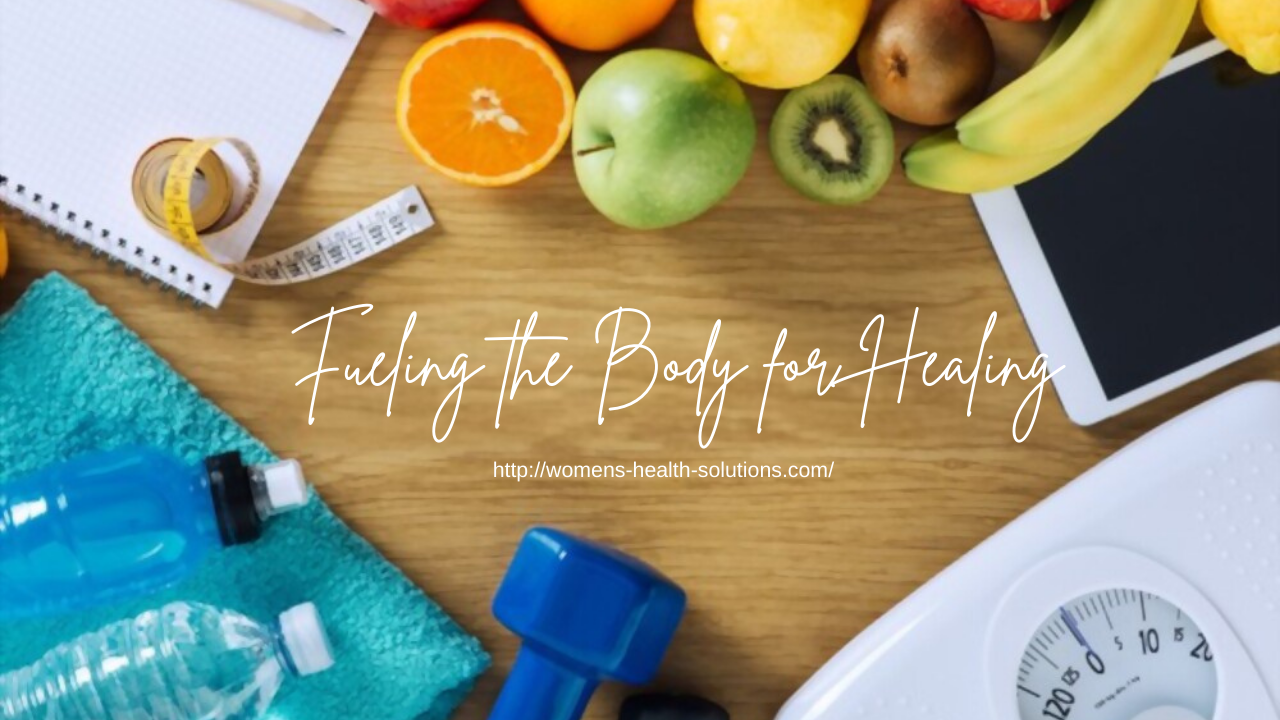
Fueling the Body for Healing
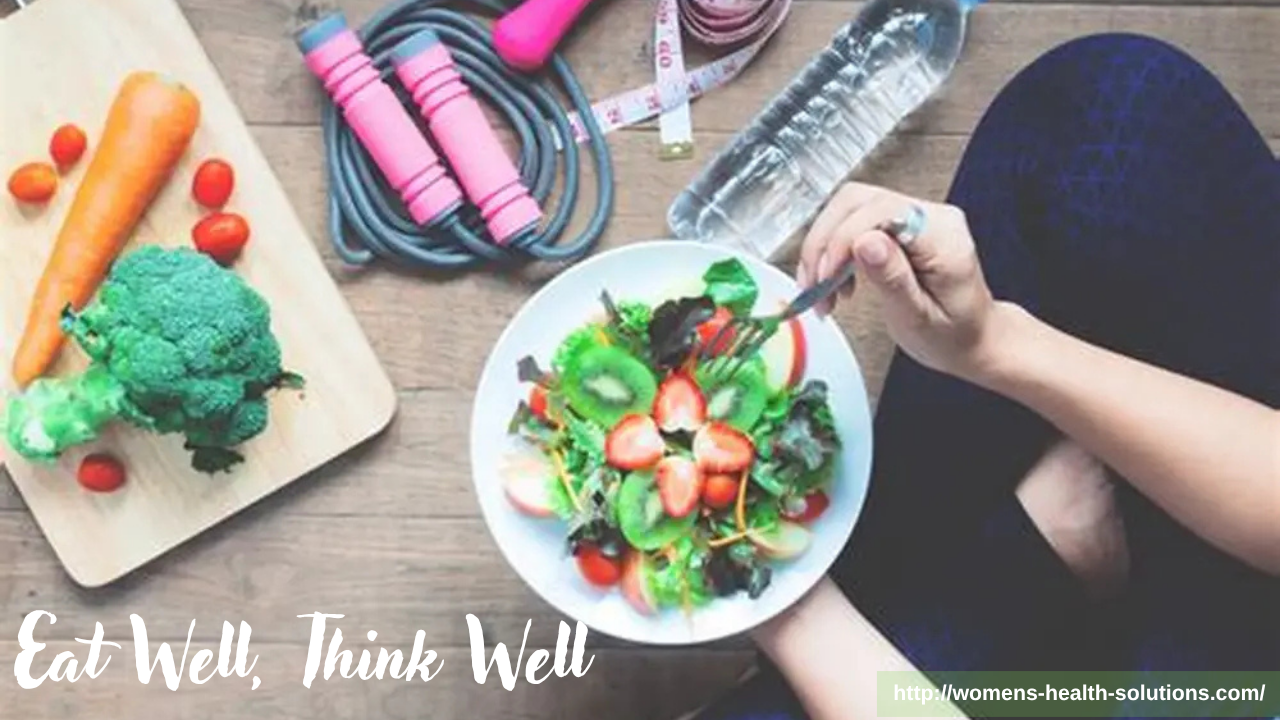
During addiction recovery or mental health treatment, the body often needs repair. Substance use, stress, or neglect can deplete essential nutrients. A diet rich in fruits, vegetables, lean proteins, and healthy fats provides the building blocks the body needs to restore energy, repair tissues, and support brain function. Whole foods stabilize blood sugar, which reduces mood swings and improves focus—both critical for long-term recovery.
Avoiding Foods That Sabotage Progress
Highly processed foods, caffeine, and excess sugar can trigger anxiety, disrupt sleep, and intensify cravings. Replacing these with nutrient-dense alternatives helps create emotional stability and reduces relapse risks. Choosing water, herbal teas, and balanced meals instead of quick fixes fosters long-term well-being.
The Mind-Body Connection in Wellness
How Nutrition Shapes Mental Health
The gut and brain communicate constantly, and science shows that what we eat directly influences how we feel. Omega-3 fatty acids from fish, antioxidants from colorful produce, and vitamins like B12 all support brain chemistry and emotional regulation. For women healing from trauma or addiction, nutrition is not just about food—it is about creating a stronger foundation for mental clarity and emotional resilience.
Practicing Mindful Eating
In recovery, food can sometimes feel overwhelming. Mindful eating encourages women to slow down, notice hunger cues, and appreciate the act of nourishing themselves. This practice reduces emotional eating, builds self-awareness, and restores trust in the body’s signals. Over time, mindful eating becomes a tool not only for physical health but also for emotional healing.
Building a Balanced Life Through Support
Combining Professional Care With Daily Habits
Lasting wellness does not come from diet changes alone. It requires integrating nutrition with professional mental health support, therapy, and spiritual practices. At Women’s Health Solutions, our inpatient and outpatient programs guide women in combining healthy nutrition, evidence-based therapy, and faith-based care to build a sustainable recovery plan.
Creating Habits That Stick
Small, consistent steps—such as preparing balanced meals, drinking enough water, and practicing gratitude—make a bigger difference than drastic, short-term changes. When women approach nutrition and mental wellness as part of a daily rhythm, healing becomes less about restriction and more about living fully.
Why Holistic Healing Matters
Nutrition and mental health are deeply connected, and neither can be addressed in isolation. A holistic approach acknowledges that women need more than treatment plans. They need compassion, community, and individualized care. By nourishing the body, calming the mind, and strengthening the spirit, women can step into a healthier, more balanced life.
Take the Next Step Toward Wellness
Lasting recovery and mental clarity are not about perfection. They are about progress and self-care. By viewing food as fuel for both body and feelings, women can create healthier routines that support long-term healing. At Women’s Health Solutions, we are here to help you embrace holistic health and find balance at every stage of recovery.
If you are ready to take the next step, reach out today. Your journey toward nourishment, wellness, and lasting recovery begins here.
Visit http://womens-health-solutions.com/ to learn more about our compassionate programs and supportive care.