From Stress to Strength: Navigating Mental Health and Wellness as a Modern Woman

Modern life presents unique challenges for women. Balancing work, family, social commitments, and personal goals can create stress that impacts mental health and overall well-being. For women facing addiction or mental health struggles, these pressures can feel overwhelming. At Women’s Health Solutions, we understand that true wellness requires a holistic approach that addresses the mind, body, and spirit while providing individualized support for recovery and lasting health.

Understanding the Impact of Stress on Women’s Mental Health

Chronic stress affects women differently than men due to biological, psychological, and social factors. Hormonal changes, caregiving responsibilities, and societal expectations can all contribute to heightened anxiety, depression, or burnout. In women struggling with addiction, stress can also act as a trigger, increasing the risk of relapse.

Recognizing the impact of stress is the first step toward proactive mental health care. Effective strategies help women manage emotional challenges while promoting resilience and long-term recovery.

Integrating Mental Health and Addiction Recovery

Women’s Health Solutions provides comprehensive programs that integrate mental health treatment with addiction recovery. This approach acknowledges the strong connection between emotional well-being and substance use.

Inpatient Care for Intensive Support

Inpatient programs provide structured, 24-hour care for women who require intensive support. These programs combine therapy, medical supervision, and holistic wellness practices to address co-occurring mental health disorders while supporting recovery.

Outpatient Care for Ongoing Guidance

Outpatient programs allow women to continue their recovery while managing daily responsibilities. Through counseling, group therapy, and wellness planning, women gain the tools necessary to navigate stress and maintain mental stability outside a residential setting.

Holistic and Individualized Wellness Strategies

Recovery and mental health management are most effective when they incorporate a holistic approach. Women’s Health Solutions offers programs that focus on the mind, body, and heart, creating a foundation for lasting strength.

Mind: Emotional Resilience and Therapy

Therapeutic practices such as cognitive behavioral therapy, group counseling, and mindfulness exercises help women develop coping skills and emotional awareness. Regular therapy sessions provide a safe environment to process trauma, manage anxiety, and build confidence.

Body: Physical Health and Stress Management

Exercise, proper nutrition, and restorative sleep are essential for maintaining mental health. Physical activity reduces stress, supports hormonal balance, and enhances mood. Nutrient-rich meals and adequate hydration provide the energy and clarity necessary to navigate daily life effectively.

Heart: Building Support and Connection

Strong social support is critical to mental wellness and recovery. Women thrive when they have access to supportive friends, family, or recovery communities. Engaging with others who understand the challenges of addiction and mental health fosters connection, accountability, and encouragement.

Faith-Based and Personalized Care

For many women, spiritual support is an integral part of recovery and wellness. Women’s Health Solutions provides faith-based options alongside individualized treatment plans, allowing each woman to choose the approach that aligns with her values and needs. Personalized care ensures that therapy and wellness strategies are effective, meaningful, and sustainable.

Practical Steps for Navigating Stress

Women can enhance their mental health and resilience through actionable daily strategies:

  • Set aside time for mindfulness or meditation to manage stress.
  • Establish consistent routines for meals, exercise, and sleep.
  • Seek professional counseling or therapy regularly.
  • Engage with support groups or recovery communities.
  • Practice self-compassion and recognize that setbacks are part of growth.

These practices empower women to transform stress into strength, fostering emotional stability and lasting recovery.

Turning Stress into Strength

Stress does not have to define a woman’s life. With gender-responsive, holistic, and individualized care, women can navigate mental health challenges, manage addiction, and cultivate lasting wellness.

At Women’s Health Solutions, our team is committed to guiding women through recovery and mental health management with compassion and expertise. If you or a loved one are ready to take the next step toward emotional resilience and holistic well-being, contact us today. Our programs are designed to provide the support, tools, and guidance necessary for a healthier, stronger future.

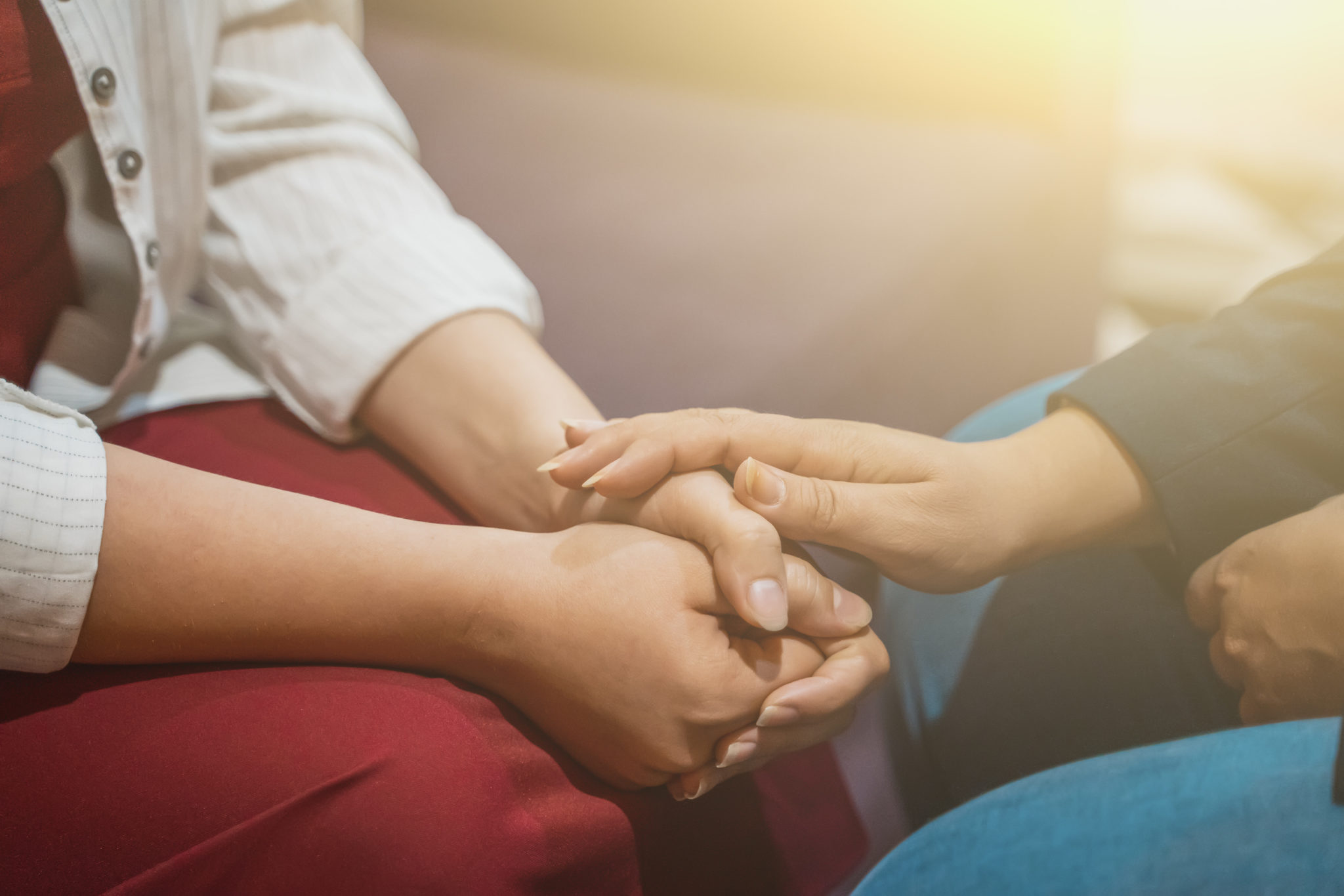
Mind, Body & Heart: Essential Self‑Care Strategies for Every Stage of a Woman’s Life

Self-care is often talked about, but its true importance cannot be overstated, especially for women navigating the challenges of addiction, mental health concerns, or the demands of everyday life. At Women’s Health Solutions, we understand that caring for the mind, body, and heart is essential to lasting wellness. Self-care is not a luxury. It is a foundation for recovery, resilience, and personal growth at every stage of a woman’s life.

Understanding Self-Care in a Holistic Context

Self-care is more than occasional pampering. It is an intentional practice that supports emotional balance, physical health, and mental clarity. Holistic self-care integrates these three dimensions to create a sustainable approach to well-being.

Women face unique stressors, from hormonal changes and caregiving responsibilities to trauma histories and social pressures. Addressing these factors through tailored self-care strategies can prevent burnout, support recovery, and foster overall wellness.

Mind: Nurturing Mental Health

Mental well-being is central to self-care, particularly for women in recovery or managing mental health conditions. Techniques that support mental health include:

  • Therapy and Counseling: Regular sessions with a mental health professional provide guidance, coping strategies, and a safe space to process emotions.
  • Mindfulness Practices: Meditation, deep breathing, and journaling help reduce stress and enhance emotional regulation.
  • Structured Routines: Consistency in daily activities can improve mood stability and provide a sense of control.

Integrating these practices into daily life strengthens resilience, supports recovery from addiction, and reduces the risk of relapse.

Body: Supporting Physical Wellness

Physical health is closely linked to emotional and mental well-being. Women can benefit from self-care strategies that prioritize the body, including:

  • Balanced Nutrition: Eating nutrient-rich meals supports energy levels, hormonal balance, and overall health.
  • Regular Exercise: Gentle movement such as yoga, walking, or strength training promotes physical fitness and reduces stress.
  • Restorative Sleep: Adequate sleep is essential for mental clarity, emotional regulation, and physical recovery.

For women in recovery, maintaining physical health can enhance the effectiveness of therapy and treatment programs by improving energy, focus, and mood.

Heart: Cultivating Emotional and Social Wellness

Emotional well-being and social connections are critical components of self-care. Women can strengthen these areas through:

  • Healthy Relationships: Building supportive connections with family, friends, or recovery communities provides encouragement and accountability.
  • Self-Compassion: Practicing kindness toward oneself reduces guilt and promotes positive mental health.
  • Engaging in Meaningful Activities: Hobbies, volunteering, and creative pursuits provide purpose and joy.

Emotional and social wellness practices complement mental and physical care, creating a comprehensive approach to self-care.

Adapting Self-Care Across Life Stages

Self-care needs evolve throughout a woman’s life. Adolescence, early adulthood, parenting years, midlife, and later adulthood each present unique challenges and opportunities. Holistic programs at Women’s Health Solutions are tailored to address these changing needs, offering flexible support that considers life stage, personal goals, and individual challenges.

Putting Self-Care Into Practice

Implementing self-care does not require drastic changes. Start with small, intentional steps:

  • Schedule daily mindfulness or relaxation practices.
  • Prioritize sleep and nutrition.
  • Seek regular therapy or counseling.
  • Join support groups or community programs.

Consistency in these practices fosters long-term resilience, emotional balance, and overall wellness.

Empowering Women Through Self-Care

Self-care is a vital tool for recovery, mental health, and long-term wellness. By nurturing the mind, body, and heart, women can build strength, resilience, and confidence to face life’s challenges.

At Women’s Health Solutions, our programs combine holistic care, addiction recovery support, and individualized treatment to empower women at every stage of life. If you or a loved one are ready to prioritize well-being and embrace a comprehensive approach to self-care, contact us today. Our compassionate team is here to guide you on your journey to lasting health and recovery.

Breaking Barriers: How Gender‑Responsive Care Supports Women in Recovery

Recovery from addiction and mental health challenges is rarely a one-size-fits-all process. Women often face unique obstacles in accessing care, from societal expectations and trauma histories to the specific ways addiction affects their bodies and minds. Gender-responsive care recognizes these differences and provides personalized support designed to meet the distinct needs of women. At Women’s Health Solutions, our programs focus on creating an environment where women feel safe, understood, and empowered to reclaim their health and well-being.

Understanding Gender-Responsive Care

Gender-responsive care is a holistic approach that considers how biological, psychological, and social factors impact women’s experiences with addiction and mental health. Women are more likely than men to face trauma-related triggers, caregiving responsibilities, and social stigma, all of which can affect recovery. By tailoring treatment to address these factors, programs can help women build resilience and achieve long-term wellness.

This approach goes beyond standard therapy. It integrates emotional support, physical health considerations, and practical resources to empower women to take control of their recovery journey.

Why Women Need Specialized Treatment

Women experience addiction and mental health challenges differently. For instance, hormonal fluctuations can affect mood and cravings, and social pressures may increase feelings of guilt or isolation. Traditional treatment programs often fail to address these nuances, which can hinder recovery.

Gender-responsive programs offer:

  • Trauma-informed care: Recognizing the prevalence of trauma in women’s lives, treatment focuses on safety, trust-building, and coping strategies.
  • Supportive environments: Women-only groups foster trust, understanding, and shared experiences that enhance emotional healing.
  • Family-centered approaches: Programs consider caregiving responsibilities and family dynamics, ensuring women can balance recovery with their roles at home.

Inpatient and Outpatient Options

Women’s Health Solutions offers both inpatient and outpatient care tailored to women’s unique needs.

Inpatient Care

Inpatient programs provide 24-hour support in a structured environment. Women benefit from intensive therapy, medical supervision, and peer support, all while learning essential skills to manage cravings and triggers.

Outpatient Care

Outpatient programs offer flexibility for women who need ongoing support while managing daily responsibilities. These programs include individual counseling, group therapy, and wellness activities that complement a balanced lifestyle.

Both inpatient and outpatient programs are designed to integrate mental health treatment with addiction recovery, addressing co-occurring disorders such as anxiety, depression, or trauma-related conditions.

Holistic and Faith-Based Approaches

Recovery is not solely about stopping substance use. Women’s Health Solutions incorporates holistic practices such as mindfulness, nutrition guidance, and physical activity to support overall well-being. Faith-based options are also available for women who find strength and healing through spiritual guidance. By providing individualized care that aligns with each woman’s values, we create a supportive and empowering recovery environment.

Practical Tips for Women in Recovery

In addition to structured treatment, women can enhance their recovery through daily practices:

  • Establish a routine: Consistent sleep, meals, and self-care help stabilize mood and reduce stress.
  • Engage in therapy: Regular counseling supports emotional growth and helps manage triggers.
  • Build a support network: Connect with peers, friends, or mentors who understand your journey.
  • Practice self-compassion: Recognize that recovery is a process, and setbacks are part of growth.

These strategies complement formal treatment, promoting long-term resilience and wellness.

Moving Forward with Confidence

Breaking barriers in women’s addiction recovery means creating an approach that is both compassionate and evidence-based. Gender-responsive care empowers women to address the underlying causes of addiction, rebuild confidence, and reclaim control over their lives.

If you or a loved one are ready to take the next step toward lasting recovery, contact Women’s Health Solutions today. Our team is here to provide personalized guidance and support every step of the way, helping women achieve true wellness beyond survival.

Beyond Surviving: A Woman’s Guide to Holistic Health and Lasting Wellness

Recovery and wellness are more than simply surviving day to day. For women facing addiction, mental health challenges, or the ongoing pressures of modern life, achieving true health requires an approach that addresses the whole person. Holistic care, personalized support, and evidence-based treatment are essential components of lasting wellness. At Women’s Health Solutions, we believe that every woman deserves a path to recovery that is compassionate, individualized, and empowering.

Understanding Holistic Health for Women

Holistic health goes beyond treating symptoms. It considers physical, emotional, and spiritual well-being. Women’s bodies and minds face unique challenges, from hormonal changes to societal pressures, which can impact mental health and substance use. By embracing a holistic approach, women can cultivate a balanced life that nurtures resilience, self-care, and long-term recovery.

Holistic health practices may include therapy, nutritional guidance, mindfulness techniques, and physical wellness activities such as yoga or gentle exercise. These strategies work together to support mental clarity, emotional stability, and physical vitality.

Addiction Recovery Tailored for Women

Women’s experiences with addiction can differ significantly from men’s. Social expectations, family responsibilities, and trauma histories often shape the path to substance use and recovery. Recognizing these differences, Women’s Health Solutions offers gender-responsive addiction treatment that addresses the specific needs of women.

Inpatient vs. Outpatient Care

Choosing the right level of care is critical. Inpatient programs provide 24-hour support and structured environments for women who need intensive therapy and supervision. Outpatient programs offer flexibility while still delivering evidence-based treatment and counseling. Both options prioritize individualized care and allow women to build the skills needed for sustainable recovery.

Incorporating Mental Health Treatment

Addiction and mental health are deeply interconnected. Many women experience co-occurring disorders such as anxiety, depression, or trauma-related conditions. Effective treatment integrates mental health support with recovery services, offering therapy, group counseling, and holistic techniques to strengthen emotional resilience.

Practical Strategies for Lasting Wellness

Building a life beyond survival requires daily practices that promote balance and self-care. Some strategies include:

  • Mindful Self-Care: Set aside time each day for activities that nourish your mind and body, such as journaling, meditation, or light exercise.
  • Nutrition and Hydration: Eating a balanced diet supports energy, mood stability, and overall health. Avoid processed foods and prioritize whole, nutrient-rich meals.
  • Support Networks: Engage with supportive friends, family, or recovery communities. Connection and accountability are key to maintaining long-term wellness.
  • Therapeutic Practices: Regular counseling or group therapy can help process emotions, build coping skills, and prevent relapse.

Incorporating these strategies into daily life empowers women to reclaim control, rebuild confidence, and cultivate a sense of purpose beyond addiction or mental health challenges.

Faith-Based and Individualized Care

For many women, spirituality and faith play an essential role in healing. Women’s Health Solutions offers faith-based approaches alongside secular treatment options, allowing each individual to choose the path that resonates most deeply. Personalized care ensures that therapy plans are tailored to individual experiences, values, and goals.

Moving Beyond Surviving

True wellness is not about simply managing symptoms. It is about creating a life that is rich in purpose, connection, and resilience. Women’s Health Solutions is committed to guiding women on this journey through compassionate, expert care that addresses the whole person.

If you or a loved one are ready to move beyond surviving and take the first steps toward holistic health and lasting recovery, reach out to Women’s Health Solutions today. Our team is here to provide support, guidance, and hope every step of the way.