Mindful Living: A Woman’s Guide to Mental Clarity and Emotional Balance
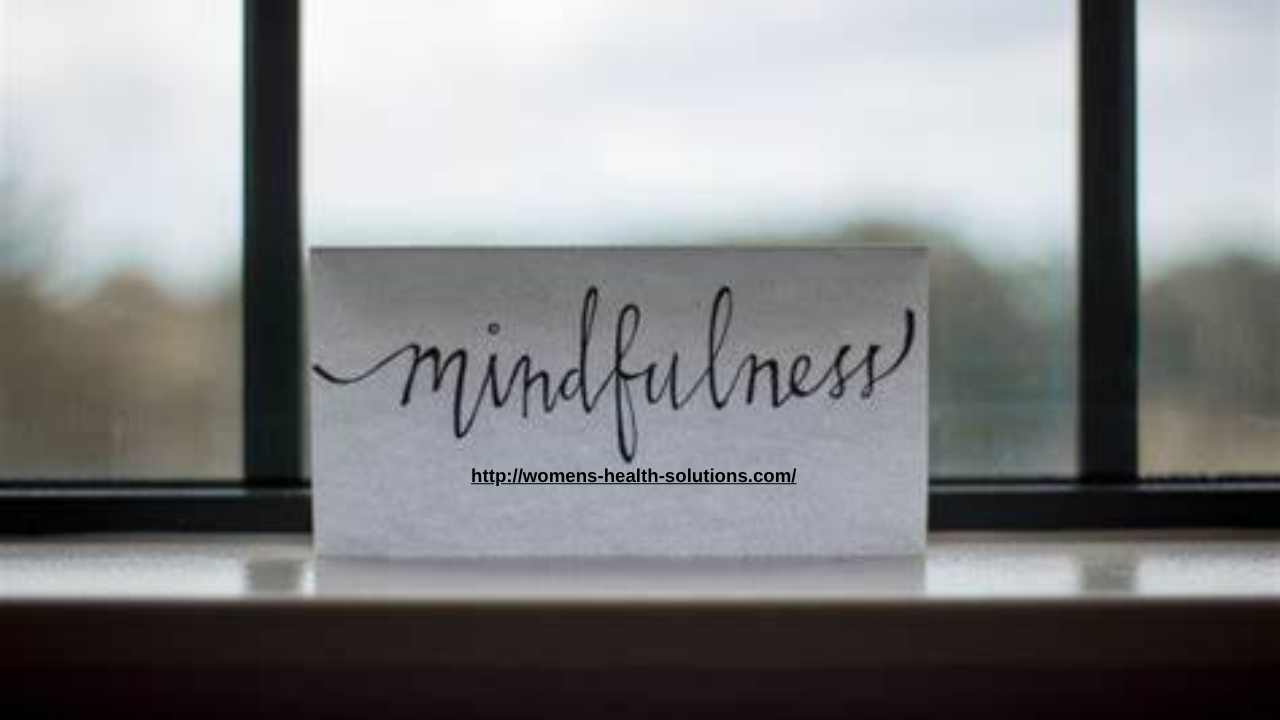
In a world full of noise, deadlines, and daily demands, many women find themselves feeling mentally drained and emotionally overwhelmed. Juggling multiple roles—whether as professionals, caregivers, partners, or friends—can lead to chronic stress and a constant sense of being “on.” That’s where mindful living comes in. It’s not about escaping your responsibilities but about approaching them with presence, purpose, and peace.

Mindful living is the art of being fully present in the moment—aware of your thoughts, emotions, and surroundings without judgment. It helps you slow down, tune in, and respond to life’s challenges with greater clarity and calm. For women seeking mental clarity and emotional balance, mindfulness isn’t just helpful—it’s transformative.

Start with the Breath

The simplest way to become more mindful is by focusing on your breath. Deep, conscious breathing calms the nervous system, grounds the mind, and reduces stress in just minutes. Try taking five slow, deep breaths, inhaling through your nose and exhaling through your mouth. Do this when you wake up, before meals, or anytime you feel overwhelmed. It’s a powerful reset button for your brain and body.

Create a Morning Ritual

How you start your day sets the tone for everything that follows. Instead of reaching for your phone first thing, begin with a calming ritual. This could include a short meditation, journaling, stretching, or sipping tea while sitting quietly. A few minutes of stillness can help you enter the day with focus and intention, rather than stress and distraction.

Practice Mindful Eating

Eating mindfully allows you to truly enjoy and appreciate your meals while avoiding overeating or emotional eating. Slow down and notice the colors, textures, and flavors of your food. Put away your phone or computer while eating, and try not to rush through meals. Not only will this improve digestion, but it will also bring a deeper sense of satisfaction and gratitude for nourishment.

Set Boundaries with Compassion

Saying “no” can be difficult, especially for women who feel pressured to meet everyone’s expectations. But setting healthy boundaries is a form of self-respect and emotional protection. Be clear about what you can and cannot take on. Mindful communication—asserting your needs without guilt or anger—leads to healthier relationships and more emotional balance.

Limit Digital Distractions

Constant notifications and screen time can clutter your mind and pull you away from the present. Designate tech-free zones or times during your day, such as during meals, before bed, or when spending time with loved ones. Use that space to reconnect with yourself or others in meaningful ways.

Reflect and Recenter

At the end of each day, take a few minutes to check in with yourself. Ask: How did I feel today? What am I grateful for? What do I need more or less of? Journaling your thoughts can help you release stress and gain insight into your emotional patterns.

Conclusion

Mindful living isn’t about being perfect—it’s about being present. When women embrace mindfulness, they invite more clarity, calm, and compassion into their lives. By slowing down and tuning in, you can navigate life’s ups and downs with greater emotional balance and a deeper sense of purpose.
Healthy Living Myths Busted: What Every Woman Needs to Know for True Wellness

In a world flooded with wellness trends, diet fads, and fitness hacks, it’s easy for women to feel overwhelmed by conflicting health advice. Social media, magazines, and even well-meaning friends often spread health myths that can do more harm than good. True wellness isn’t about following the latest trend—it’s about understanding your body’s unique needs and making informed, sustainable choices.

Let’s bust some of the most common healthy living myths and uncover what every woman really needs to know to achieve lasting well-being.

Myth 1: You Have to Diet to Be Healthy

Truth: Diet culture promotes the idea that restricting food is the key to health and weight loss. In reality, extreme diets often lead to nutrient deficiencies, metabolic slowdown, and yo-yo weight cycling. Instead of dieting, focus on balanced, intuitive eating. Listen to your body’s hunger cues, eat whole foods most of the time, and allow yourself the flexibility to enjoy treats without guilt. Wellness comes from nourishment, not deprivation.

Myth 2: Carbs Are the Enemy

Truth: Carbohydrates are an essential energy source, especially for women. Whole carbs like fruits, vegetables, legumes, and whole grains provide fiber, vitamins, and minerals. The real problem lies in refined carbs and added sugars. Rather than cutting carbs entirely, opt for complex, unprocessed options that support energy, digestion, and hormone balance.

Myth 3: You Need to Exercise for Hours a Day to See Results

Truth: More isn’t always better. Over-exercising can lead to burnout, injuries, and hormonal imbalance. Quality matters more than quantity. Just 20 to 30 minutes of movement a day—whether it’s walking, yoga, strength training, or dancing—can boost metabolism, improve mood, and support heart health. Consistency, not intensity, is key.

Myth 4: Supplements Can Replace a Healthy Diet

Truth: While certain supplements can be helpful—like vitamin D, iron, or prenatal vitamins—they should never replace real, nutrient-dense food. Whole foods contain a complex array of nutrients that work together in ways supplements can’t fully replicate. Talk to your healthcare provider before starting any new supplement regimen.

Myth 5: Health Is All About Weight

Truth: Health and weight are not one and the same. A thin body is not automatically a healthy one, and a larger body isn’t automatically unhealthy. Focus on habits—eating well, staying active, sleeping enough, and managing stress—rather than chasing a specific number on the scale. True wellness includes physical, mental, and emotional health.

Myth 6: You Have to Be Perfect to Be Healthy

Truth: Perfection is not required—or even realistic. Healthy living is about progress, not perfection. It’s okay to skip a workout, eat dessert, or have an off day. What matters most is consistency over time and having a kind, flexible mindset toward your health journey.

Conclusion

By letting go of unrealistic expectations and outdated myths, women can embrace a more empowered, informed approach to wellness. True health isn’t about following rigid rules—it’s about building a lifestyle that supports your body, mind, and spirit. When you understand the facts and listen to your body’s needs, you unlock the freedom to live healthier on your own terms.